
Introduction
Photographs that grab the most attention and have a chance to win prestigious awards are not the technically perfect ones – they are the ones that carefully bring vision, innovation, and emotions together. The age of judging only technical excellence is long gone, and photographers need to envision and successfully apply innovative photography techniques to get a chance to stand out from the crowd.
From breathtaking views captured by a drone to new microsystems revealed by macro photography, photographers are continuously motivated to move the boundaries of possible and discover and experiment with new and innovative techniques. The role of innovation has played a vital role in shaping modern award-winning photography, and the ability to perfectly blend different techniques is what wows the audience and keeps them engaged.
The Role of Innovation in Modern Award-Winning Photography
How Judges Define Innovation Today
Nowadays, innovation does not only mean experimenting with new things, but purposely playing with different techniques and deliberately altering certain elements to achieve the wow effect in storytelling. Rather than just using popular and flashy effects, the jury values purpose and demonstration of the method’s alignment with the concept. The emotional depth, images left for the viewer’s interpretation, and unconventional reframing of traditional subjects are what matter today.
Technique as a Tool for Concept, Not a Gimmick
Technology is constantly evolving, but it should not prevail. The use of advanced tools is always welcome, but experienced photographers know that it should not dictate the story – rather, just enhance it. Drone shots should reveal more than just a perspective, macro shots should show more than just tiny details. The technique should amplify the photographer’s vision, not replace it with accuracy and precision.
Pushing Boundaries While Respecting Visual Integrity
Constantly pushing boundaries while maintaining visual integrity is increasingly valued. Innovation is recognized only when limits are explored without compromising clarity, cohesion, or authenticity. Images need to feel connected and resonate. Visual norms can be stretched, but aesthetic integrity must remain intact.
01 Drone: The Rise of Aerial Storytelling in Photography Competitions
Beyond the Bird’s-Eye View
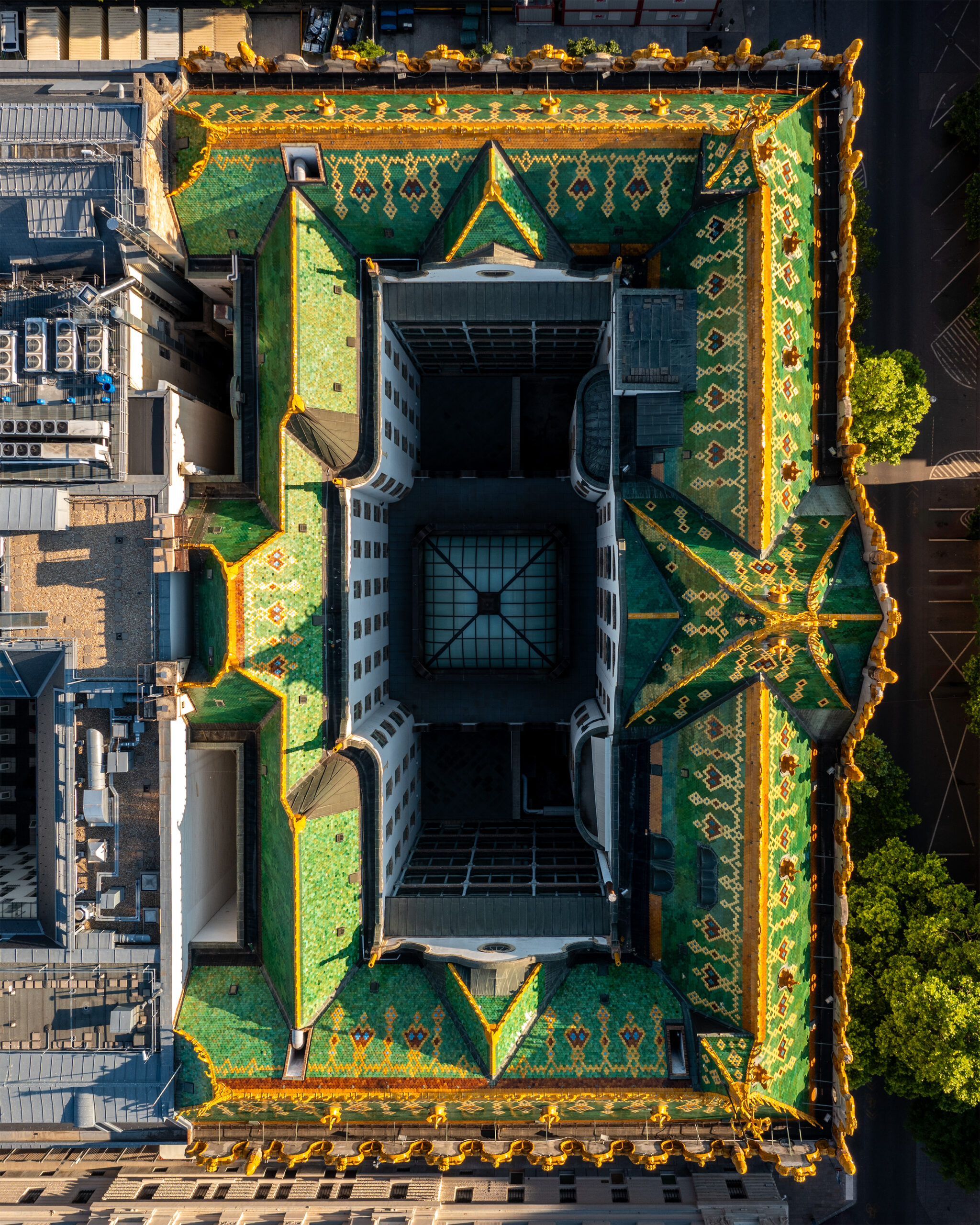
The innovation of drone photography is not in novelty but in perspective. Drone photography has transformed how we see the Earth, revealing patterns invisible from the ground such as geometric fields, winding rivers, and urban grids. Ordinary scenes become extraordinary compositions.
Drones are also used to document environmental and social issues, helping raise awareness of human impact on landscapes in ways that are difficult to achieve from ground level.
Technical Mastery in Drone Photography
Light and composition need to be perfectly mastered for a drone shot to stand out. The position of the sun, shooting angle, time of day, and environment all influence the final result. Successful photographers understand how to use negative space, balance, and timing to create strong aerial compositions.
Ethical and Legal Considerations
Drone photography comes with responsibility. Photographers must respect privacy, wildlife, and restricted areas. Ethical practice builds credibility and ensures that storytelling remains respectful and trustworthy.
02 Long Exposure: The Enduring Appeal of Motion and Stillness
Creative Uses of Long Exposure
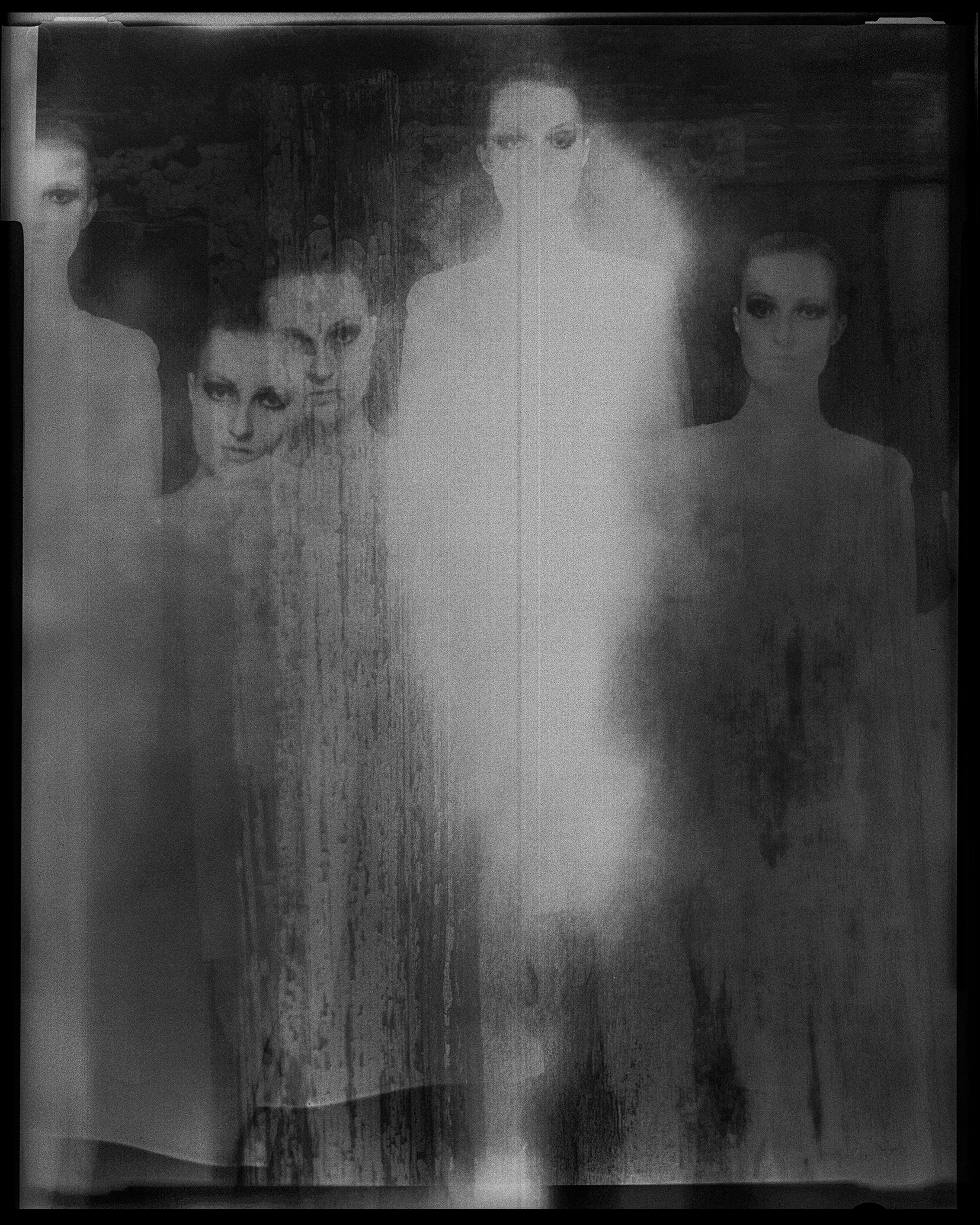
Long exposure is one of the most expressive techniques in photography. It can transform clouds into soft streaks, water into smooth textures, and busy urban scenes into abstract narratives. Everyday environments become visual metaphors through motion and time.
Mastering Exposure in Dynamic Conditions
Working with long exposure requires patience and precision. Photographers must carefully balance light and movement to avoid overexposure while maintaining detail. Mastering changing conditions can be technically challenging, but it often leads to highly distinctive and award-worthy results.
03 Experimental Lighting: When Light Becomes the Subject
Unconventional Light Sources
Using unconventional light sources can completely transform how a subject is perceived. From neon lights to candlelight, different lighting approaches allow photographers to explore shapes, textures, and mood in unique ways.
Using Light to Guide Emotional Response
Light plays a key role in directing attention and shaping emotion. Color temperature, intensity, and shadow can create tension, softness, or drama. When lighting and narrative are aligned, the image becomes more immersive and impactful.
04 Macro: Discovering Extraordinary Worlds in Small Details
Turning the Invisible into the Unforgettable
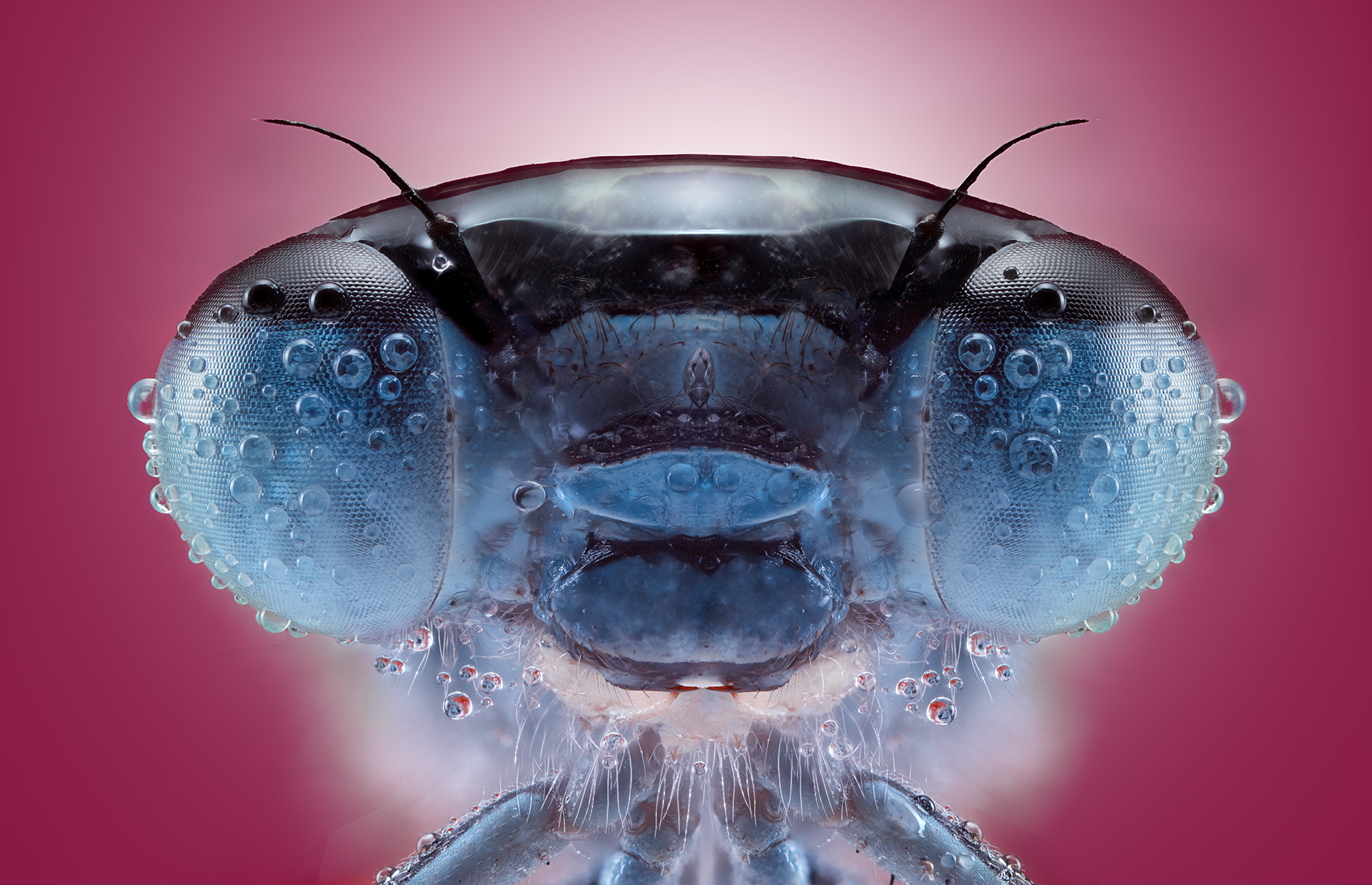
Macro photography allows viewers to experience details that are often overlooked. From the veins of a leaf to the texture of surfaces, these images reveal micro-worlds that can evoke strong emotional responses and curiosity.
Technical Precision in Macro Work
Macro photography requires precise control over focus, depth of field, and lighting. Achieving clarity while preserving natural textures and colors is essential. Images that combine technical excellence with originality stand out the most.
Macro as Fine Art and Documentary
Macro photography often sits between art and science. Some images focus on abstract aesthetics, while others highlight environmental or scientific narratives. In both cases, clarity of intent and storytelling are key.
Blending Techniques: Where Innovation Truly Shines
Combining Drone, Long Exposure, and Post-Processing
When used thoughtfully, combining techniques can elevate storytelling. Hybrid approaches create layered, complex images that stand out in competitions. For example, drone photography combined with long exposure can reveal movement and structure in entirely new ways.
Mixing Macro with Conceptual Storytelling
Macro photography can extend beyond detail and contribute to broader narratives. Small subjects can represent larger themes, allowing photographers to create images that feel both intimate and universal.
Cohesion as the Key to Visual Impact
Cohesion is essential when blending techniques. The different elements must complement each other rather than compete. The most successful images feel intentional, balanced, and effortless.
Why Strong Ideas Elevate Innovative Techniques
Aligning Technique with Narrative
Technique should always support the story. Every decision, from lens choice to lighting, should reinforce the intended message. Strong images show clear purpose behind every technical choice.
Avoiding “Technique for Technique’s Sake”
A common mistake is overusing effects without clear intent. Simplicity often leads to stronger results. Using techniques thoughtfully ensures the image remains focused and impactful.
How Judges Read Visual Intent
Judges look for coherence and clarity. The connection between subject, technique, and message should be evident. Strong visual intent allows photographers to present familiar subjects in new and compelling ways.

Conclusion: Innovation as a Mindset, Not a Toolset
Innovation is not about tools, but about perspective. Technical knowledge is important, but the ability to experiment, adapt, and think creatively is what defines today’s successful photographers.
From drone perspectives that reshape how we see the world to macro images that reveal hidden details, knowing when and how to use each technique is key. When vision aligns with execution, and technique serves purpose, photography becomes truly impactful.