
Introduction
Photography can be described as a universal language. Powerful photographs can transcend borders and tell a story that evokes connection, empathy, and provokes deep emotional reactions. Removing borders, communication barriers, and backgrounds, and relying on a strong cultural identity as the center factor shaping one’s work.
Photographers’ environment, values, traditions, and social realities strongly shape their work and the way they bring local perspectives to a global level. The cultural context is strongly embedded in every piece of work a photographer produces, but doing it with intention and a clear vision in mind is what sets it apart and creates a timeless masterpiece.
01 The Power of Cultural Identity in Visual Storytelling
Photography itself is a form of storytelling, and culture is a very important part of the way how photographers choose to tell stories. Culture can shape visual decisions in very subtle and profound ways, while adding a note of originality to and a broader perspective to the context itself.
Photographers with a strong cultural background tend to embed their own cultural context in their work. This means that they know how to recognize and capture moments that carry deep meaning, how small gestures speak volumes, and what details can be overlooked by the viewers. This personal voice guiding the photographer is exactly what has a strong impact on the authenticity of the work.
Having the ability to transform everyday into memorable moments rich in cultural context is what many photographers display while recording their own community during their everyday tasks. The photographer captures not only life but also transforms it into art shaped through his own memories, history, and personal connection to the community.
Award-winning work is not about culture being displayed loudly or exaggerated, but about embedding it softly in the background and displaying it through the atmosphere, rhythm, and the emotions the image carries. When the story is being told from the heart, the juries recognize it with ease.
02 Local Stories – Global Response
Local stories can provoke a strong global response. The most common misconception is that globally recognized work needs to be neutral and stripped down of any cultural identity. Exactly on the contrary, work that can bring local stories to a global audience is what gets noticed in the photography world.
The main factor that transforms local stories into global ones is not familiarity, but the humanity they carry. Themes such as identity, belonging, loss, resilience, family, and transformation are universal and easily recognizable through different culturally specific situations.
Sharing emotional experiences by telling local stories, such as the ones from a small village or during a particular ritual, is what strengthens the emotional impact. The award-winning photographers understand the delicate balance they have to achieve, and aim to tickle the viewer’s imagination even when the context of the image is completely unfamiliar to them. Achieving global resonance is not about neutralizing differences, but embracing them and revealing with empathy.
03 Visual Language Across Cultures
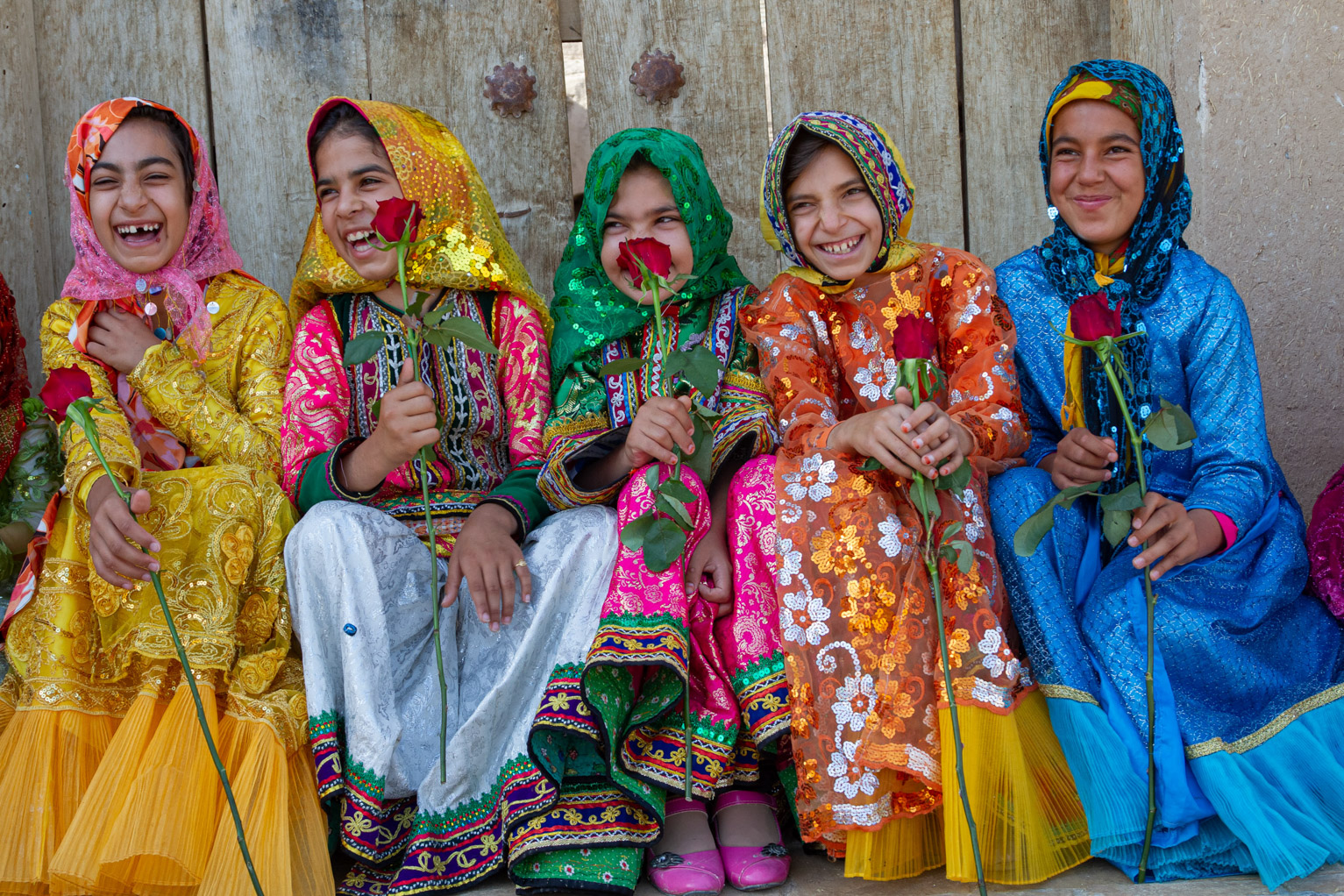
Emotion is universal, but visual language is not. The colors, symbolism, composition, and use of space vary and may carry different meanings across different cultures. Color palettes need to be carefully chosen, since a color palette signaling celebration in one culture may signal mourning in another. It’s up to the photographer to do their own research, making sure the chosen colors carry the right meaning and communicate the story with the right context.
The use of light and shadow can also have a deeper, more cultural meaning, and gestures, facial expressions, and proximity get a new dimension when shaped through different cultural norms. Photographers tend to exploit their artistic freedom and present their work guided by their own cultural framework.
Strong, award-winning work does not mean neutralizing cultural content, but emphasizing it and communicating it through clarity, vision, and intent. It is important to allow the viewer grasp the emotional or conceptual foundation of the image, even in situations where the does not understand the cultural reference itself.
04 The Role of Cultural Context in Judging Criteria
International juries are professionals coming from different and very diverse environments, meaning they all bring unique cultural, geographic, and artistic backgrounds to the scene. The diversity can be an advantage, letting them observe the work and judge it through different lenses and from different perspectives.
What the jury is looking for is not displaying a single cultural standard, but showing originality, authenticity, and intention. When cultural context enhances these factors, it becomes the factor that differentiates the good work from the great work. Only work that can display the perfect blend of these factors, colored with cultural context, can stand out in the oversaturated market.
However, the jury does not look only for the cultural context, and the photography will not be evaluated only by simply showcasing a particular culture or region. What will make a difference is how the photographer translates the cultural context into an engaging visual experience.

05 Global Influence vs Cultural Homogenization
Social media and global reach have brought some new, viral trends that quickly become popular and are adopted across countries. For example, certain aesthetics such as muted color palettes, dramatic minimalism, and symmetrical compositions dominate the global scene, but even though they are visually appealing, photography work driven by these trends may flatten the cultural differences and put the spotlight on style over substance.
The competition nowadays is high, so keeping an authentic and unique style and not blindly following trends is very hard to achieve, especially in the fast-paced environment we live in. When trends are blindly followed, the individuality and personal touch are lost, making the images homogenized.
Staying consistent with the inner cultural identity and shaping photography through those lenses is what will make the work stand out. Photographers who stay dedicated to their own cultural lenses have more chances of making a work that is timeless, rather than just fashionable.
06 When Local Vision Wins Internationally
A common trend can be recognized among the winning projects – a strong sense of place and perspective. Social issues on a local level that are presented through the eyes of those affected directly are a permanent mark that documents tradition, individual struggles, and the change process from a first-person perspective. This ability to allow the viewer to identify with the subject is when locally recognized work can win international attention.
Local vision that gets international attention is brought to the viewer with honesty, not with the intention to speak to everyone. These deep inner motives that communicate real, raw, and emotional content and provide deeper context and cultural meaning are what spark curiosity, encourage the viewer to dive deeper into the work, and explore more about unfamiliar subjects or perspectives.
This way, the cultural context becomes transformative – it not only provides background information regarding the subject, but also serves as a creative foundation that leaves a mark and a trace in time for future generations.

07 Navigating Between Global Awareness and Local Authenticity
Navigating between global awareness and local authenticity and creating work that successfully delves and overcomes borders can be achieved by successfully going through multiple perspectives. Understanding how images are read and interpreted across different borders can help photographers shape the way they communicate their story.
The most impactful work comes from situations when photographers deeply trust their perspective and remain consistent about their presentation. Different captions, careful sequencing, and powerful project statements can provide context without over-explaining the meaning.
The point here is to put an emphasis on whether the photography is self-explanatory – are the main points communicated clearly? When the intention is clear, the understanding will follow. Clarity of the intention allows the cultural specifics to be the first and most important touch point the viewer will see.
Final Thoughts
Being different is not a risk – it is a competitive advantage. A photographer’s career is shaped by their background and cultural context. Through their own personal experiences, photographers create moments that transfer the way they see, feel, and interpret the world, life, and moments. Work shaped by deep cultural beliefs is distinctive, unique, emotionally resonant, and deeply human.
The images that win the most attention are those that feel natural and unique. When the vision is delivered with intention and aligned with perspective, the photographer’s work gets attention and global recognition. The emphasis on the local issues carefully brought to global attention is what matters more than ever.