
Introduction
For many photographers, shooting in less-than-perfect conditions is not an option. Clear skies, calm waters, and no wind create predictable, controlled shooting conditions. A photographer knows what to expect and how to respond. His shots are technically and visually perfect. They are nested in the security and comfort of predictability. Shooting in any conditions, rather than this, feels out of the box. Exactly when one dares to push the limits and explore storms is when a masterpiece begins.
Storms require a different kind of attention and approach. Storms are dynamic, unpredictable, and demand awareness, proactivity, and the abandonment of control. Trusting your instincts and embracing uncertainty, emotion, and raw atmosphere allows you to create a meaningful image – the one that unravels never-before-seen details and conveys more powerful and deeper meaning.
The Myth of Perfect Weather
Why We Chase Clear Skies
Ideal weather conditions were considered a must when taking nature shots for a long time. Photographers were chasing perfect landscapes and weather forecasts. Many examples from visual history, such as landscape calendars or tourism campaigns, were always featuring beauty through clarity. Clear skies simplify shooting conditions. It is easier to take perfect shots when the weather is nice. Colors behave as they should, and technical success feels more achievable.
Pursuing perfect weather conditions is understandable, especially in situations where there are already too many things to worry about, and accounting for the weather would complicate the process even more. Most photographers choose to eliminate the weather and rely on perfect conditions, rather than engage with challenging conditions.
Over time, this can result in a visual pattern that repeats throughout the photographer’s portfolio. They tend to shoots only when the location looks at its best. When these photographs are analyzed more deeply over time, they provoke a feeling of a world that feels curated, rather than spontaneous.
What Predictable Conditions Do to Creativity
Predictable weather conditions reduce risk. When there is no risk, images become dull and predictable. Viewers start expecting the perfect nature shots, and the work becomes more or less the same. Confining yourself in such a bubble makes the work repetitive, and the creativity slowly leaves the room.
When weather conditions are challenging, the photographer must react rather than repeat. What once was a familiar landscape composition becomes unpredictable, the light changes rapidly, and the subjects behave differently. This opens space for the photographer to express their creativity and to trust their intuition, to risk, and to allow themselves to discover visual elements that are difficult to access when the weather conditions are perfectly controlled.
Storms as Storytellers
Emotion, Tension, and Atmosphere
Storms carry inherent meaning. They carry emotional weight. The tension and darkness intensify anticipation. Heavy rain can introduce isolation. Wind creates a sense of urgency. These elements strongly affect the mood and set the narrative for the image, before the shutter is even released.
Photography in clear weather is often easier. Storms create conditions where it’s hard to stay neutral. The photography skills are pushed to the limits, and the focus is put on successfully translating feelings and dynamic emotions into a still canvas. The environment itself is communicating the feelings without having to explain them.
Weather as a Narrative Tool
Weather shapes stories. The same location photographed in different weather conditions will transmit a different message. Using weather as a narrative tool is a powerful mechanism that influences how the viewer experiences the photograph. A landscape can send casual, calm messages during nice weather, and provoke vast, unresolved, and heavy feelings during storms.
Rather than treating weather as background, the weather should be an active participant. The photograph is not there to document the place in its everyday setting, but in a specific, fleeting moment. The narrative power is achieved when the sense of temporality is perfectly captured by the attentive photographer.
Light, Color, and Movement in Storms
Unstable Light and Dramatic Transitions
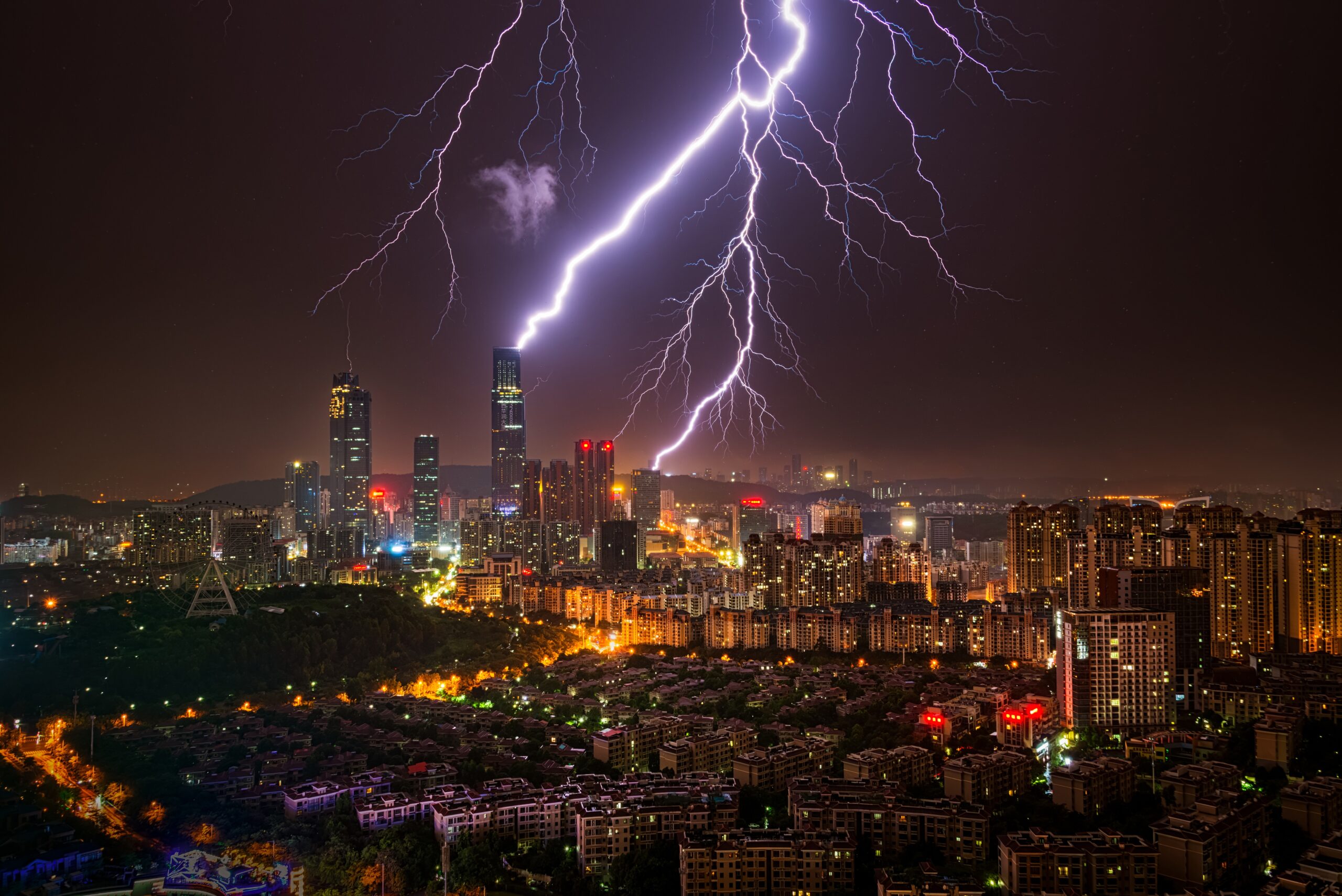
Light during the storm is never static; it changes in seconds. Clouds scatter and diffuse sunlight, or hide it completely, creating both soft edges and compelling contrasts. Sudden breaks in the sky produce highlights that last only for seconds – and are rarely repeated and replicated. That’s why it’s important to be vigilant and to know how to recognize the right moment and release the shutter.
Getting such a shot is instantly rewarding. Weather-challenging photography is not about static settings – it’s about movement and constant setting adjustment. The photographer needs to anticipate and feel the transitions – and to know the exact moment the shift will happen. The storm conditions train the human eye to see light as a dynamic element, rather than a static one.
Muted Color, Contrast, and Motion
Challenging weather conditions twist, mute, emphasize, and change the way the viewer perceives colors. Green may appear deeper, blue colder. Saturation changes depending on the position and thickness of the clouds. Usually, subtle tones become vibrant and visible. The images convey a quieter, heavier mood.
Motion and movement are also a big part of photography in challenging conditions. Rain streaks, bending trees, flowing fabric, and blurred features are all elements that cannot be replicated. Embracing such moments and embracing imperfection rather than clarity is what transforms an image into an expression of time, rather than just freezing it.
Humans and Landscapes in Unforgiving Weather
Vulnerability, Scale, and Presence
Human photography in challenging weather conditions brings up a whole new set of layers of emotions and behaviours. People tend to change their reactions in storms. Their posture is tightened, faces turned inwards, and movements more purposeful. This setting creates visual tension between the subject and the environment.
A figure standing alone against the wind or rain emphasizes scale and fragility. Crowded scenes begin to feel isolated. The storm reduces distractions and shifts attention to essential gestures and expressions. The reactions are more natural and instinctive, which makes the final result an honest representation and results in a less performative, more human presence.
Landscapes That Resist Beauty
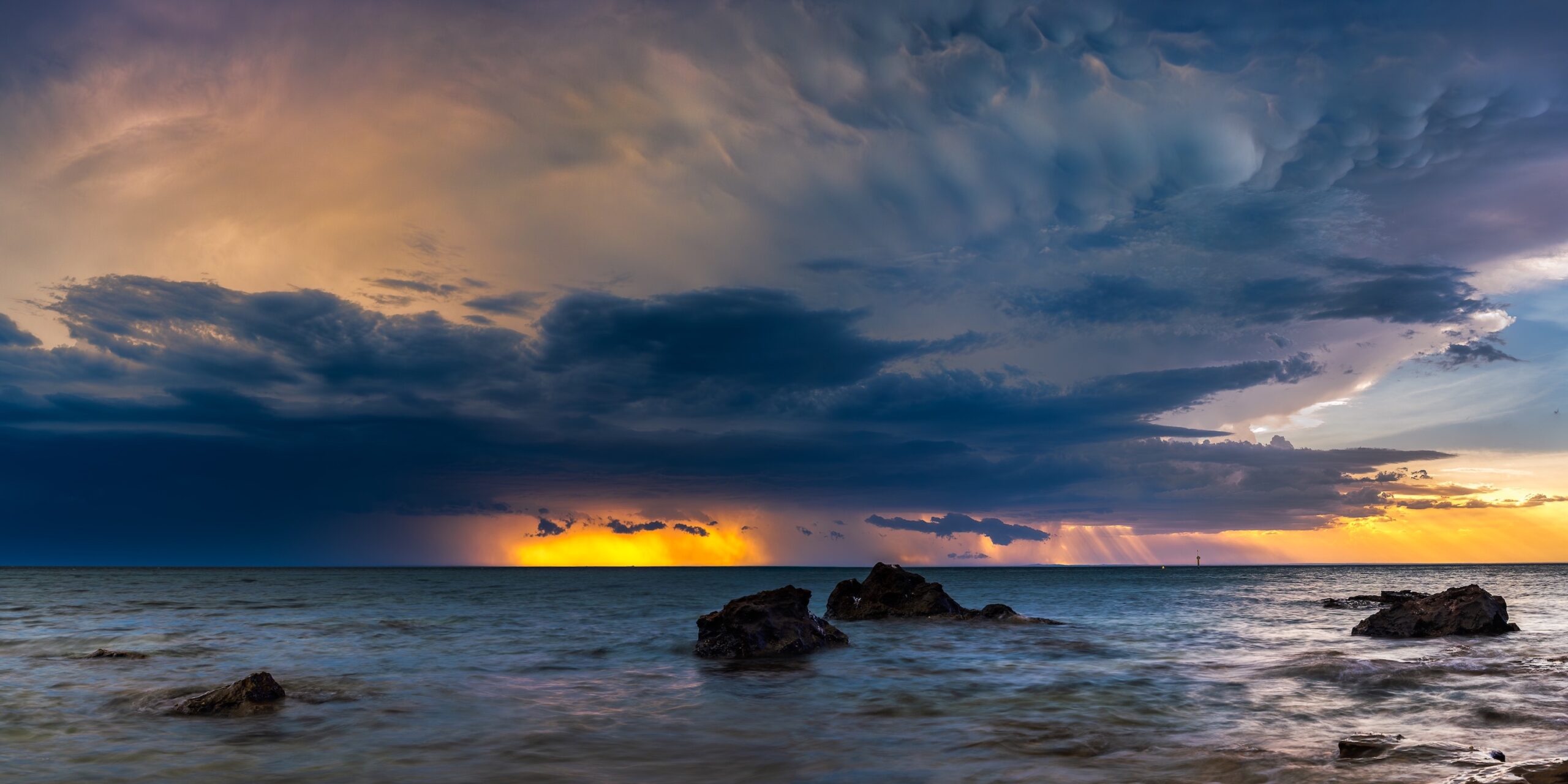
During storms, there is not much room for planning. The key to a powerful image lies in imperfection. The horizons that used to create a perfect postcard picture are gone during the storm. The sharp details clearly visible under the sun are hidden by the clouds. The composition is no longer about achieving symmetry, but harmony under pressure.
Landscapes enhanced by storms are not decorative. They are raw and demanding. Complex narratives are quickly reduced to minimalist views with lots of negative space. The environment changes, shapes, and leads the way the photographer tells the story – not the other way around.
Working With Uncertainty
Control Versus Instinct
To be able to capture the perfect shot during the storm, the photographer must be ready to give up control and remain persistent. Traditional planning becomes impossible in such conditions. There is no room for comfort, routine, or limits. Instincts become prevalent.
In such harsh conditions, photographers learn to trust timing over technique and observation over preparation. Decisions need to be made quickly and instinctively. Waiting for the right moment will only make you miss it. Each shot is unique and reflects not only what was seen, but also how it felt to be there.
Risk, Ethics, and Responsibility
Working in storms demands adding a layer of caution and responsibility to your everyday work. There is no image worth endangering yourself or others. Being able to perfectly understand environmental limits and follow ethics is crucial. The ability to anticipate the direction in which the weather conditions are evolving is important and can be a life-saving skill in very hostile environments.
Respecting subjects becomes more important in vulnerable conditions. Storms create discomfort, and photographers need to navigate between documentation and exploitation carefully. Being ethically aware deepens the work, rather than just restricting it.
Conclusion
Perfect weather can help produce compelling shots. Photography in such conditions offers comfort, clarity, and predictability. And in such conditions, creating a masterpiece is simplified. Storms offer a challenge. They request leaving the comfort zone and pushing the boundaries. They reveal places, people, and photographers without polish.
Photography must go beyond perfect weather in order to evolve. Only photographers who are ready to take the risk and accept uncertainty as part of the process will be able to excel. Storms are a perfect reminder that control is just an illusion, and that the most powerful messages are conveyed when we dare to improvise.