
Introduction
Photography is not only about capturing what we see – it is a journey that provokes emotional reactions, sparks curiosity, and raises awareness around global issues. In competitions like the IPA, technical skill alone is not enough – the photograph must be able to convey and carry a strong message with deeper meaning.
Many trends shape winning photographs, and mastering lighting and composition skills – and applying them thoughtfully – is often the final element that elevates a submission. Lighting and composition are two powerful tools that shape how a viewer interprets an image, which emotions are evoked, and how a photographer’s intent is communicated.
We invite you on a journey to explore and master light and composition in this article and enhance your chances of submitting a winning shot. Entries for IPA 2026 are now open.
The Language of Light: Shaping Mood, Emotion, and Story
Light as a Narrative Tool
Light should not be confused with simple illumination – the right lighting setup is far more than merely lighting a scene. Light becomes a narrative tool photographers use to shape emotion, mood, and meaning behind a captured moment. When applied with intention, lighting helps direct the emotional tone of an image and strengthens its storytelling potential.
Soft, gentle lighting shapes a contemplative mood, while harsh and direct lighting introduces tension and drama. Award-winning photographs demonstrate a conscious and deliberate use of light to support the idea and narrative, transforming ordinary scenes into extraordinary visual statements.
Natural vs Artificial Light
Natural light evokes emotion and often makes photographs feel more human. Working with available light creates a strong connection to the environment while reinforcing realism. Sunrises and sunsets, when natural light softens, can help create warmth and produce tones that add depth and richness to a photograph.
Artificial light, on the other hand, offers precision and control. It allows photographers to guide exposure, intensity, and direction with intention, shaping the narrative and determining what the final result will look like. Regardless of the light source, what matters most is purposeful use, careful timing, and an understanding of how to combine both approaches when needed.
Quality and Direction of Light
Understanding how light interacts with a subject is one of the most essential skills photographers must develop. Direct sunlight and strong artificial lighting can cast defined shadows that emphasise texture, sharpness, and form, while softer, indirect light smooths surfaces and creates more flattering effects.
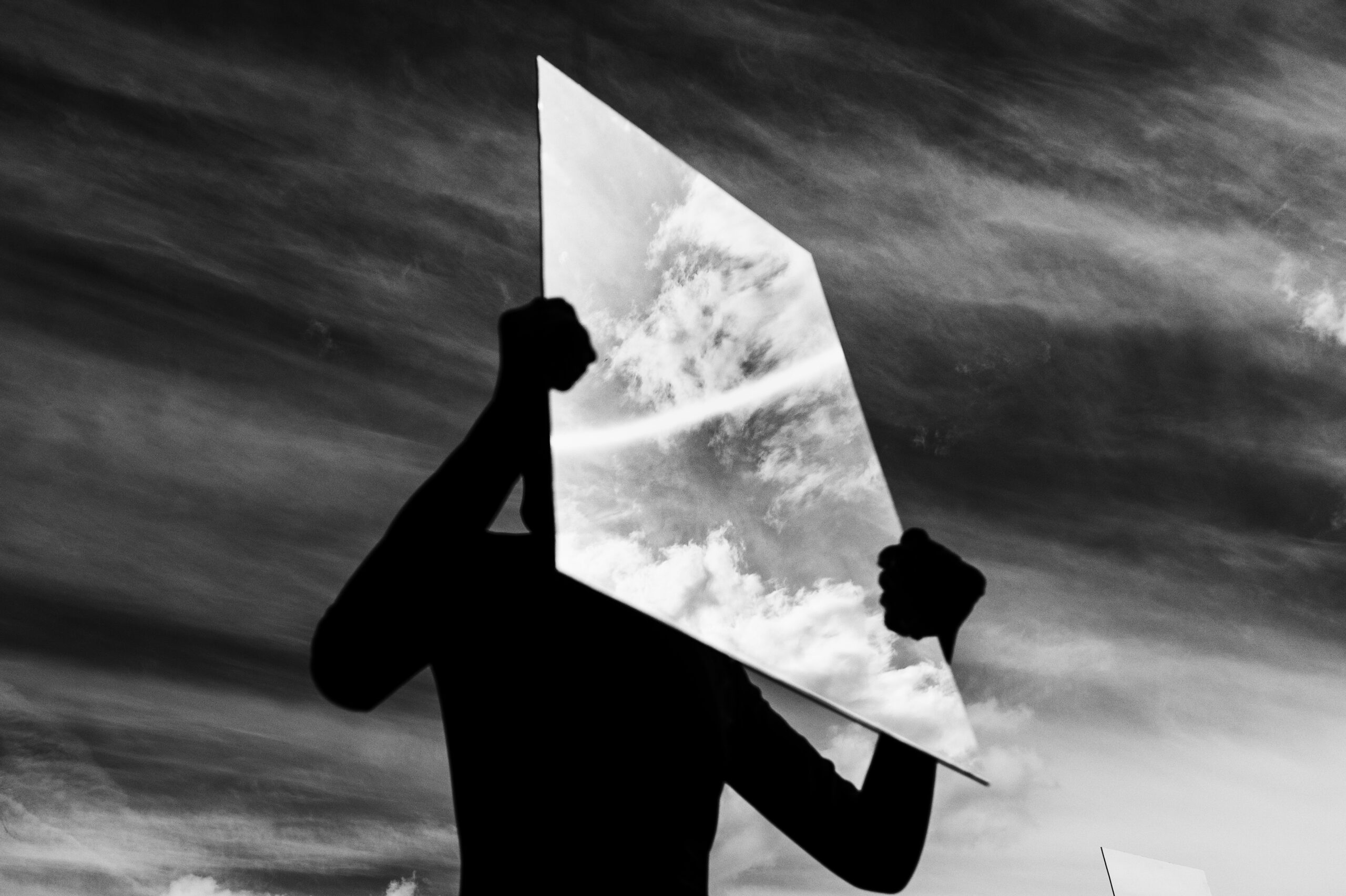
Equally important is the direction of light. Front lighting emphasises clarity and detail, side lighting adds depth, drama, and dimension, while backlighting prioritises shape over detail, often creating silhouettes or subtle glows. Playing with the direction of light, and intentionally changing it, can bringa new perspective to the photograph.
Timing, Atmosphere, and Working With Real Conditions
The Impact of Time of Day
Timing is crucial in photography, just as it is in life. Knowing when to capture a moment can significantly influence how a photograph is interpreted. Shooting during the golden hour – shortly before or after sunset – bathes scenes in warm, soft light that enhances mood and color. In contrast, shooting during the blue hour introduces mystery and emotional restraint. Passionate photographers understand the power of timing and treat it as a deliberate creative choice.
Embracing Imperfect Light
Imperfection is often valued over flawless technical conditions. Challenging light situations, such as midday sun, dim interiors, or overcast skies, can become creative advantages when approached with intention. Low-light environments encourage photographers to rely more heavily on composition, form, and storytelling, rather than lighting alone, often resulting in more authentic and expressive images.
Composition as Visual Storytelling
Composition as a Guiding Structure
Composition is one of the most critical elements in photography, guiding the viewer through an image using structure, balance, and focus. Each element of the image needs to serve a purpose and be correlated to create a visually compelling and interesting capture. Without balance between tension and harmony, technical precision alone cannot carry the visual narrative.
Foundational Techniques Revisited
The rule of thirds, leading lines, and framing remain essential compositional tools. Together, they help establish natural balance, guide the viewer’s eye toward the subject, and reinforce storytelling by adding depth and clarity to the scene.
Symmetry, Asymmetry, and Visual Rhythm
Thoughtful use of symmetry and asymmetry creates visual rhythm and engagement. Symmetry conveys stability and calm, while asymmetry introduces movement, tension, and dynamic energy. Award-winning images often demonstrate a confident understanding of when and how to apply both approaches.
The Role of Space, Scale, and Perspective
Using Negative Space to Strengthen Impact
Negative space allows the subject to stand clearly on its own. By removing unnecessary visual distractions, photographers direct attention exactly where it belongs. Many winning images demonstrate that minimalism can provoke strong emotional responses and deliver powerful messages with clarity and restraint.
Perspective and Camera Position
Perspective and camera position shape how viewers relate to the subject. Low-angle shots emphasise scale and presence, while aerial or drone perspectives reveal broader context and proportion. IPA-winning photographs show how perspective can intentionally influence emotional distance and enhance storytelling depth.

Where Lighting and Composition Intersect
Using Light to Shape Composition
Light can function as a compositional element when placed with intention. A beam of light can guide attention, reveal structure, or create natural framing within the image. Shadows, in turn, can divide space or highlight specific areas. Recent IPA-winning submissions demonstrate how lighting becomes central to composition rather than a secondary element.
Depth and Layering
Depth and layering are recurring characteristics of award-winning photographs. Thoughtful placement of foreground, midground, and background – supported by light – creates a sense of dimensionality and immersion, drawing the viewer deeper into the scene.
Color, Contrast, and Tonal Harmony
Color Temperature and Emotional Resonance
Color selection plays a decisive role in emotional storytelling. Warm tones evoke comfort, intimacy, and passion, while cooler tones suggest calmness, mystery, or melancholy. Last year’s submissions demonstrated a strong understanding of how color choices align with emotional intent. To achieve cohesion, colors must be planned and controlled carefully throughout the image.
Contrast as a Visual Decision
Contrast directs attention and shapes atmosphere. Low-contrast images communicate subtlety and sophistication, while high-contrast images command attention and intensify drama. Successfully balancing contrast requires an understanding of its psychological impact on the viewer.

Breaking the Rules With Intention
When Traditional Composition Limits the Story
Many standout IPA entries challenge traditional compositional rules. Intentional rule-breaking – through unconventional framing, off-center subjects, or tilted horizons – disrupts expectation and invites viewers to reconsider perspective. Purposeful experimentation is often recognised and rewarded by juries.
Experimental Use of Light
Light experimentation through shadows, reflections, and abstraction offers alternative ways to shape perception. By highlighting texture, form, and hidden narratives, photographers can create distinctive visual interpretations. IPA-winning images consistently showcase originality through bold yet intentional use of light.
Post-Processing: Supporting the Original Vision
Enhancing Light and Composition Without Overpowering Them
Post-processing should support the original vision rather than replace it. Subtle adjustments to exposure, contrast, and color can strengthen mood and emphasis while preserving authenticity. Knowing when to stop remains one of the most important skills in the editing process.

Final Thoughts
Mastering light and composition is a skill photographers develop over time through observation, practice, and experience. Exceptional photographers learn to recognise light before pressing the shutter and use composition deliberately to reinforce meaning and emotion.
Award-winning images are rarely about technical perfection. They succeed through balance – between vision and execution, storytelling and originality, emotion and intent. Understanding how to use light and composition as strategic tools is what transforms a photograph into a lasting visual statement and a memorable emotional experience.